HealthCare
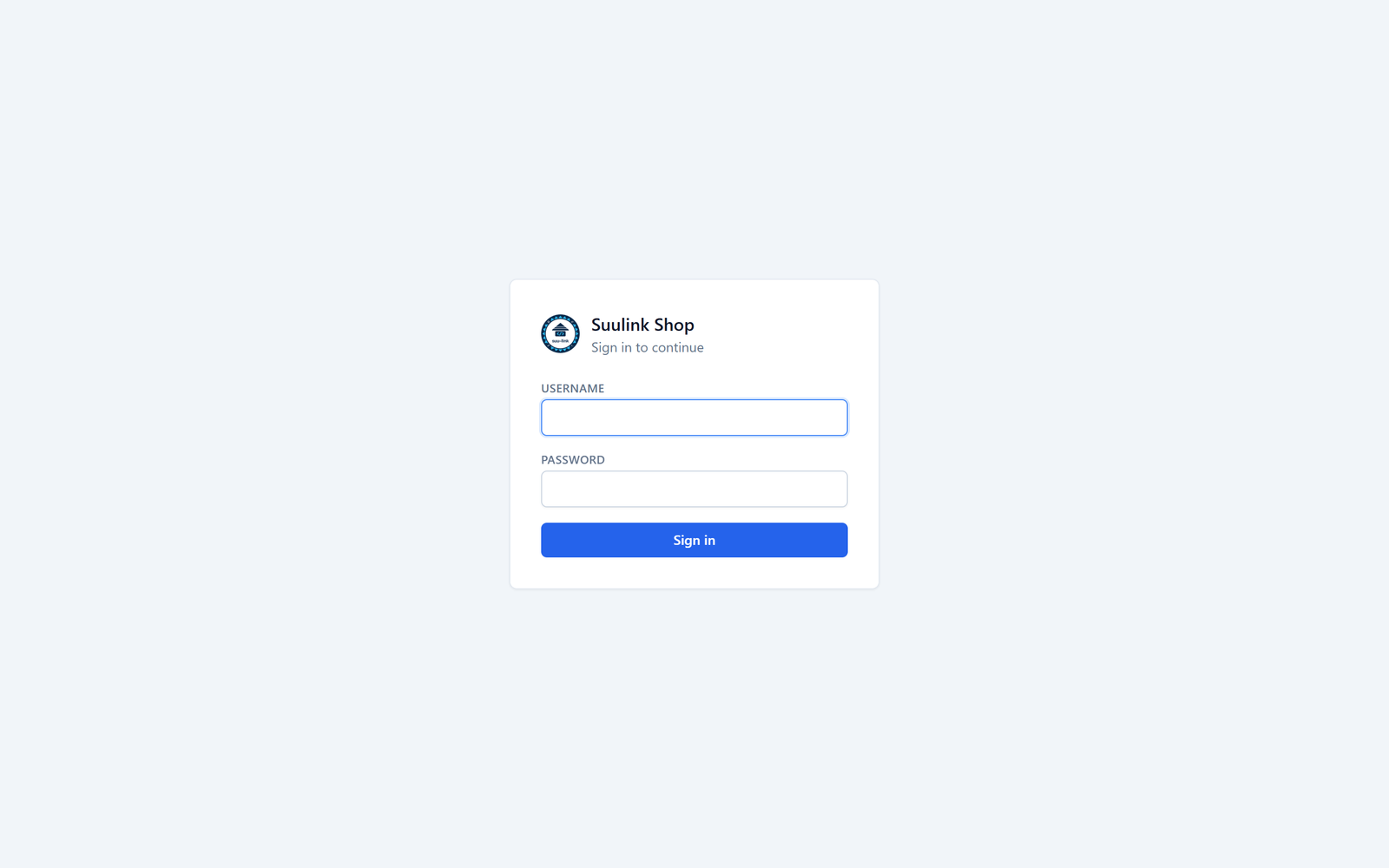
A digital job aid built for healthcare workers relies on EMRs.
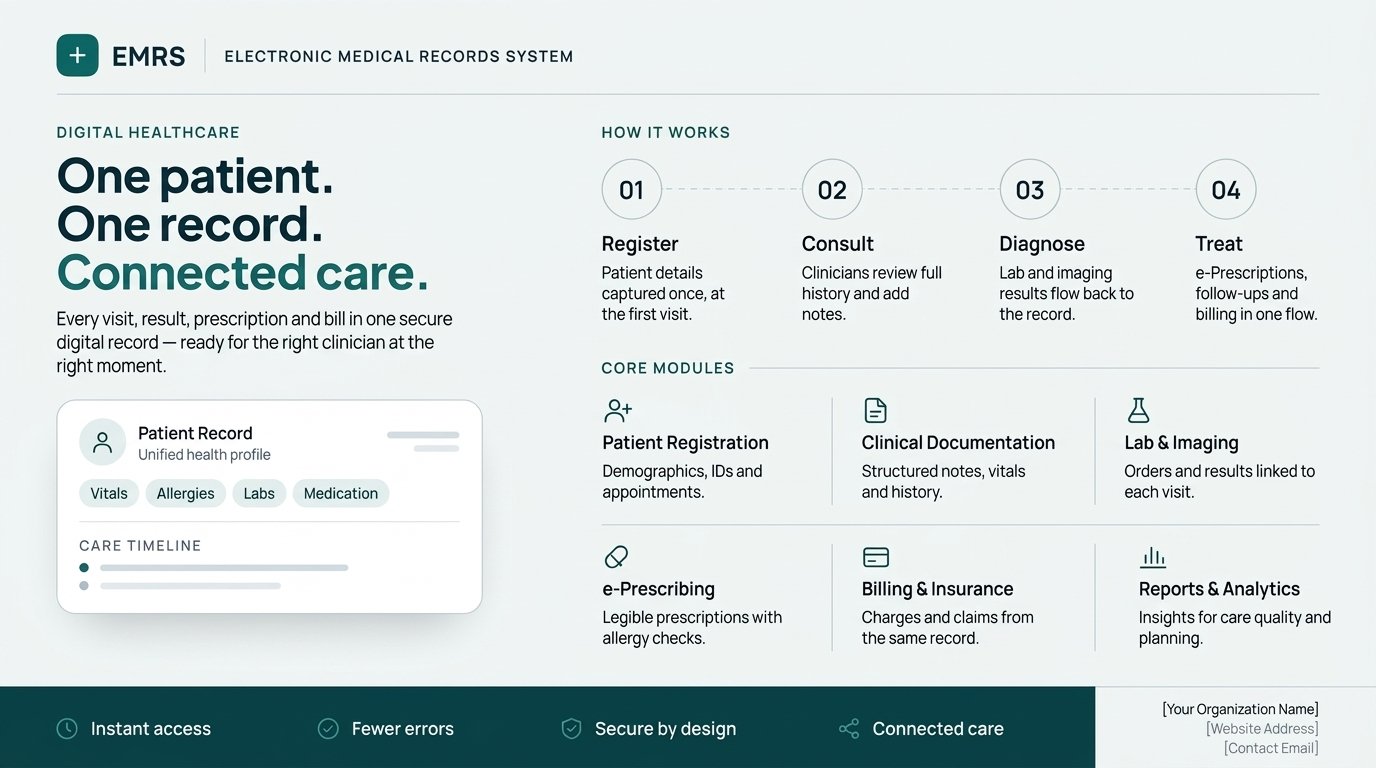
Replace cumbersome paper records and fragmented systems with a unified electronic medical record system that automates clinical and administrative processes, allowing healthcare workers to focus on patient care rather than paperwork.
- Client
- Nyancho Clinic
- Industry
- HealthCare
- Stack
- Laravel, Next.js, MySQL, Docker
- Live
- Visit site
01
The challenge
The Cost of Fragmented Records
Time-Consuming Reporting: Healthcare workers spend excessive time on manual data collection and reporting, reducing time available for direct patient care.
Fragmented Data: Patient history, lab results, and medication records are scattered across different systems or paper files, making it difficult to obtain a complete clinical picture.
Quality Gaps: Without standardized processes and automated checks, medical record quality and prescription accuracy are difficult to guarantee.
Limited Data Utilization: Even when data exists, it lacks interoperability and is difficult to use for population health management or decision support.
02
Our solution
One System, Complete Clinical and Administrative Coverage
Unified Patient Record: Creates a single source of truth containing patient demographics, diagnoses, allergies, lab results, and medication history. Authorized users can access critical information immediately.
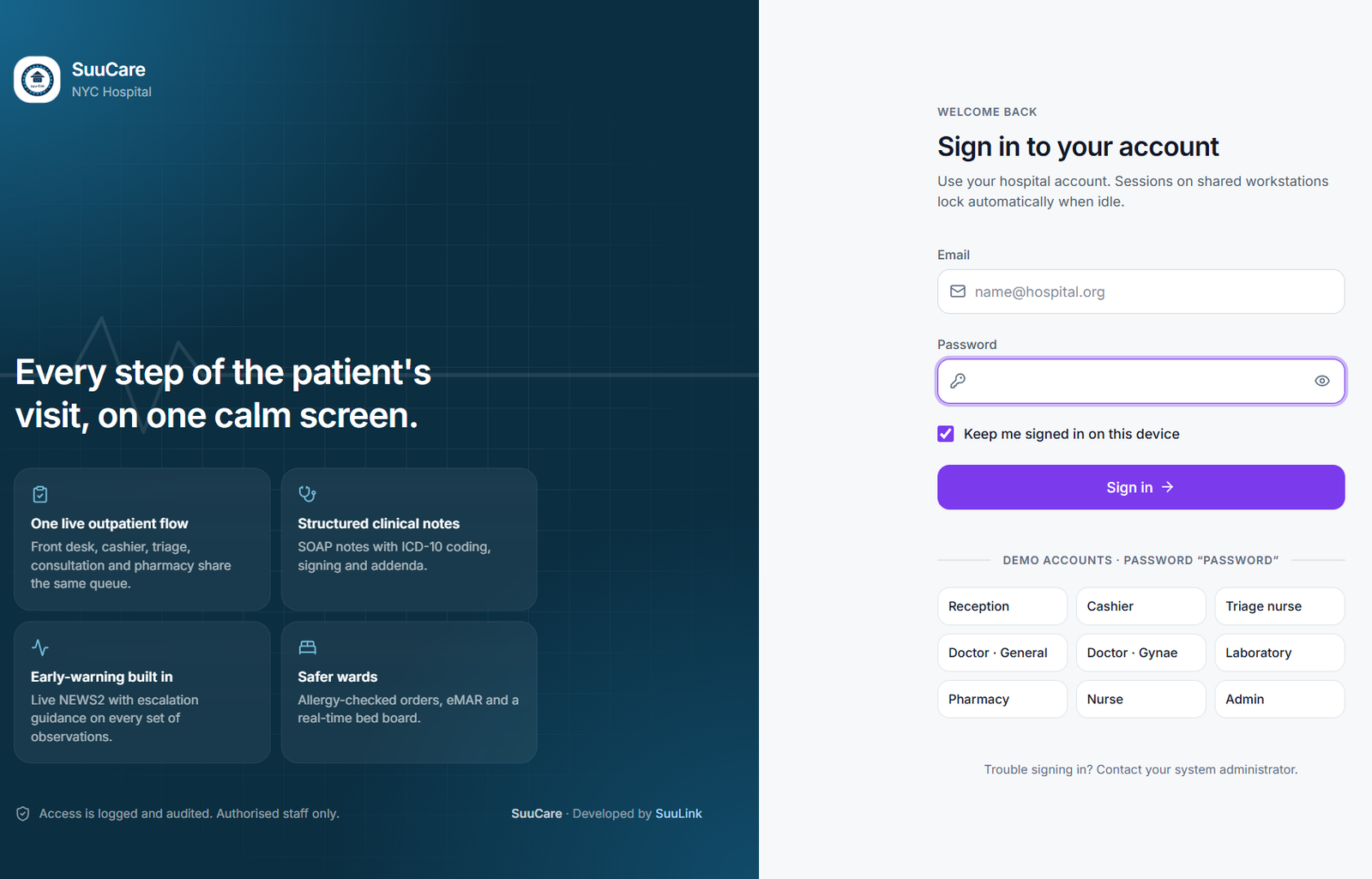
End-to-End Clinical Workflow: Supports the complete process from patient registration, check-in, doctor consultation, lab requests, and results review, to pharmacy dispensing and billing.
Order Management and Decision Support: Electronically enters and stores prescription and examination orders to reduce duplication. Provides reminders and alerts to assist in identifying drug interactions and ensuring compliance with best practices.
Ward and Inpatient Management: Supports doctors and nurses in writing clinical notes, recording observations, allocating beds, and prescribing/administering medications and fluids.
Modular Design: Can include dedicated modules for specific conditions (such as HIV/ART, tuberculosis, diabetes, antenatal care), as well as laboratory management and vital event registration, flexibly adapting to different service needs.
03
The results
Measurable Improvements in Efficiency and Safety
Reduced Reporting Burden: Automates data collection, significantly decreasing the manual reporting workload of healthcare workers and improving data quality.
Improved Record Quality: In outpatient scenarios, the rate of non-compliant medical records can be reduced from 7.79% to 1.90%, and the prescription qualification rate can increase from 91.75% to 98.56%.
Enhanced Patient Safety: Achieves additional patient safety checks that paper systems cannot provide, such as automated validation controls and medication alerts.
Improved Efficiency: Significantly accelerates information flow from registration to pharmacy, allowing patient history to be accessed whenever and wherever needed.
Compliance and Interoperability (Key Trust Signals)
Designed to comply with health data standards and supports interoperability with other health information systems (such as laboratory systems, insurance systems, public health reporting systems).
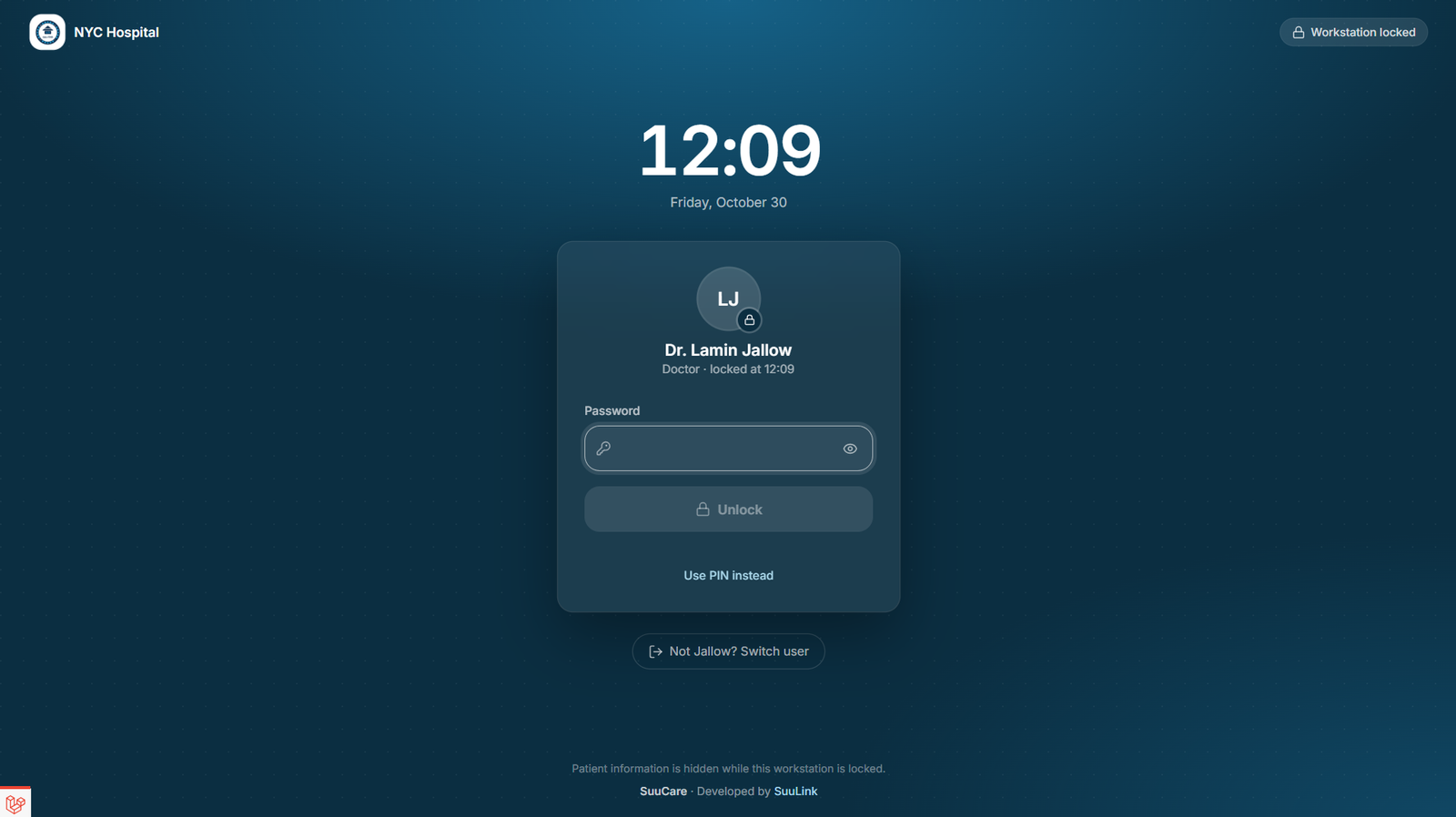
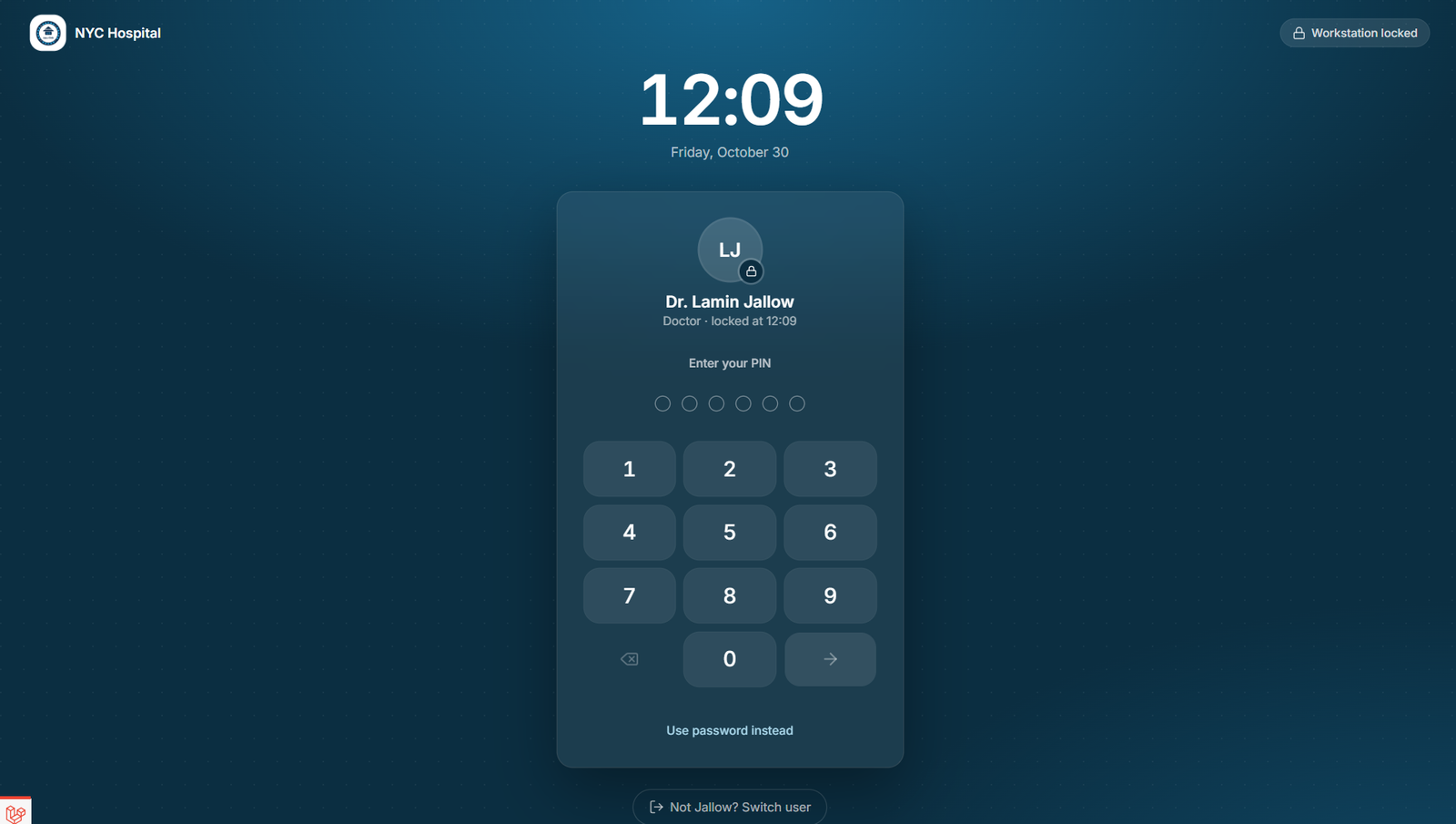
Emphasizes data security and access control, ensuring only authorized personnel can access patient information.
More work